
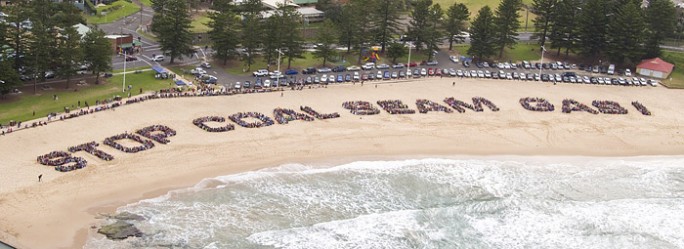
NSW Premier Barry O’Farrell has announced new measures to strengthen the regulation of the Coal Seam Gas (CSG) industry in NSW.
Mr O’Farrell said the new measures build on what are already the toughest controls on the industry in the country.
Under the package endorsed by Cabinet:
- The independent Environment Protection Authority (EPA) will be the lead regulator of environmental and health impacts of CSG activities in NSW with responsibility for compliance and enforcement;
- All exploration, assessment and production titles and activities will be required to hold an Environment Protection Licence;
- The Chief Scientist and Engineer will conduct an independent review of all CSG activities in NSW, including the potential impact on water catchments;
- A two kilometre exclusion zone will be imposed around residential zones to prevent new CSG exploration, assessment and production activities (both surface and underground);
- Exclusion zones will apply to identified Critical Industry Clusters – viticulture and the equine industry; and
- An Office of CSG Regulation will be established within the Department of Trade and Investment to enforce other regulations.
A two kilometre buffer will be imposed for CSG activities across existing residential zones, as well as lands identified for future residential growth. Critical Industry Clusters identified under the Strategic Regional Land Use Plans – horse breeders and wine producers – will also be excluded from CSG activities.
These exclusion zones will apply to any CSG activity that has not yet been approved under the EP&A Act or the Petroleum (Onshore) Act.
Deputy Premier Andrew Stoner said currently responsibility for approving and regulating CSG activities was spread across a number of agencies leading to confusion and complexity for the community and industry.
“The EPA is a respected and trusted independent watchdog – it will be tasked as the agency responsible for ensuring the compliance of environmental and related health regulations for CSG activities,” Mr Stoner.
An independent review by the Chief Scientist and Engineer will provide an evidence base to support better understanding of the CSG industry in NSW and identify any gaps in the management of risks arising from CSG activities, particularly as they relate to human health, the environment and water catchments.
The Chief Scientist will also consider appropriate ways to manage the interface with residential properties in non-urban areas. A preliminary report is to be delivered to the government in July this year.
Deputy Premier Andrew Stoner said the new regulations do not go far enough and fail to rule out CSG development in drinking water catchments.
“This announcement acknowledges the risks posed by CSG, then states that existing approvals will go ahead; a contradictory position.
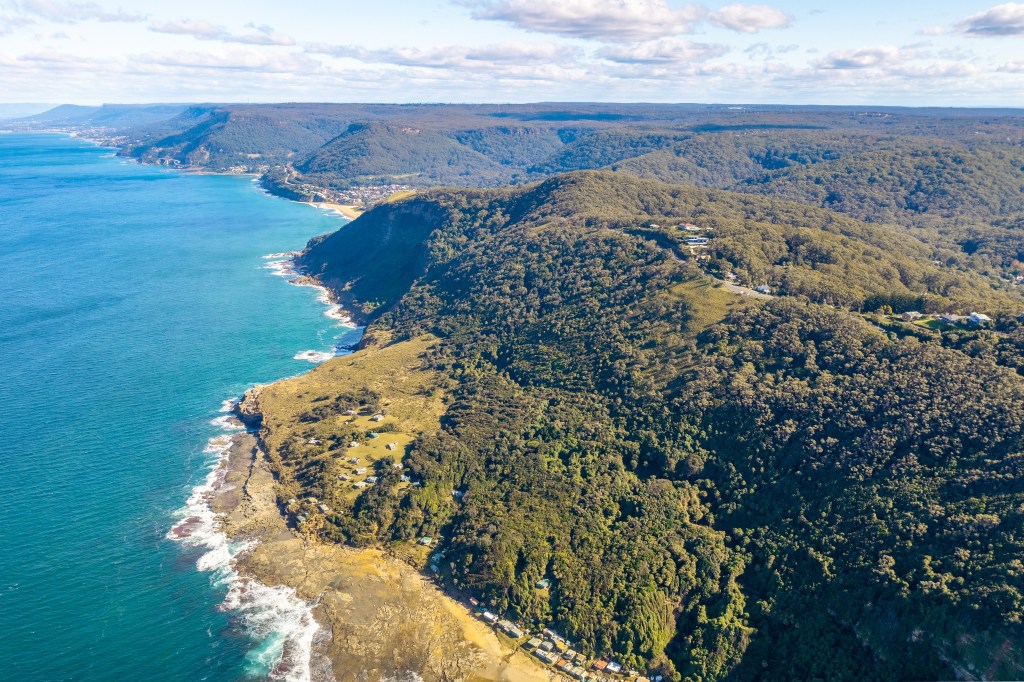
“The Apex Energy project – in and around the Woronora and Upper Nepean drinking water catchments – can still be approved, putting at risk the drinking water of two-thirds of people in NSW.
“But people who have been spared CSG on their door-step, under today’s announcement, need clean drinking water too.”
Ms Moore said Premier O’Farrell has failed to rule-out CSG in drinking water catchment areas.
“These take up less than two per cent of land in NSW, yet provide drinking water for 60 per cent of people in the state.
“These are areas so protected that I can be fined up to $44,000 for walking there.”
Ms Moore has called for a freeze on the industry and for a Royal Commission; one that looks into the relationship between industry and Government.



 Bulli & Clifton Times
Leave a comment